The UK puberty blocker trial is an ethical breach and a threat to trans youth’s health and rights
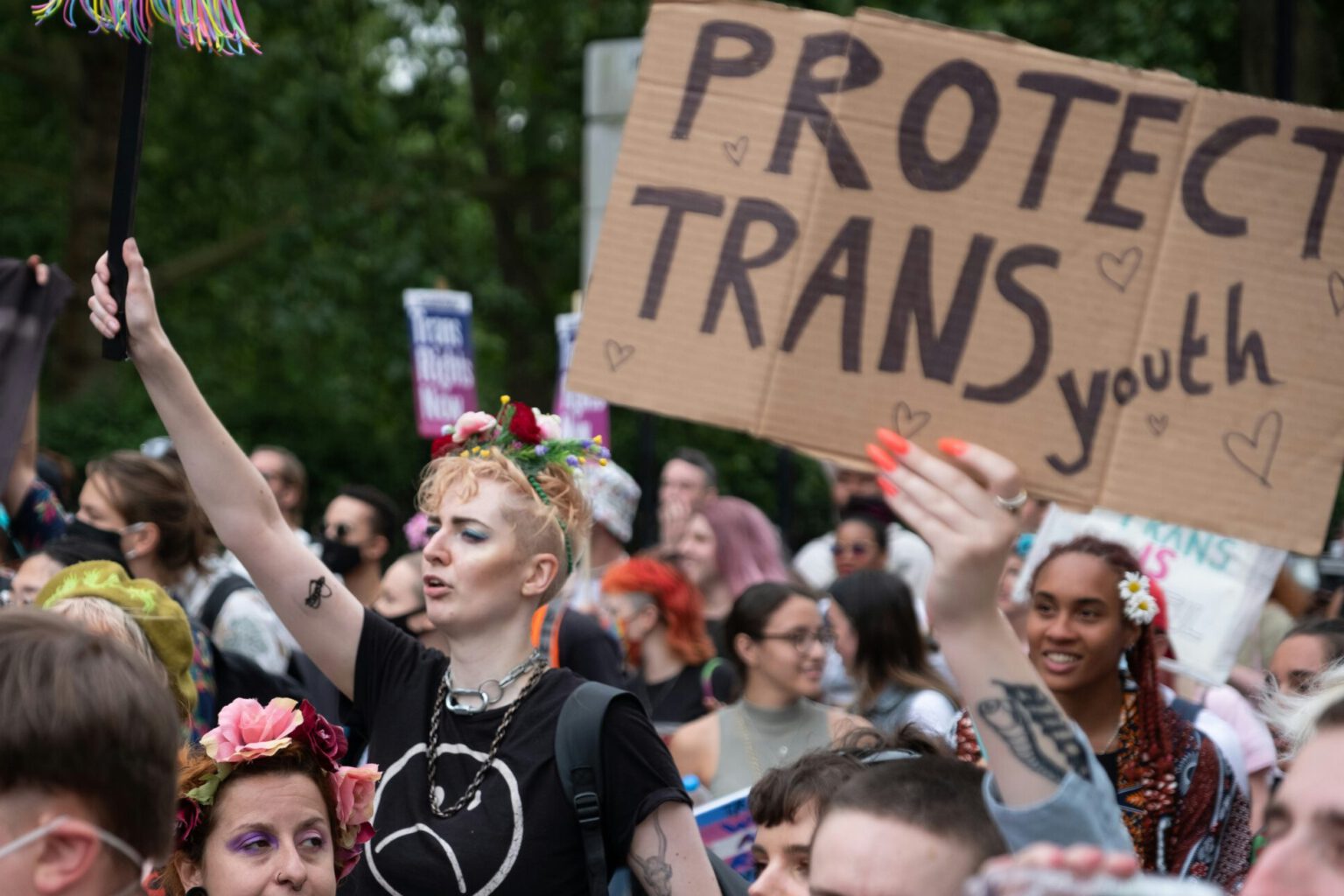
The recently announced PATHWAYS clinical trial protocol on puberty blockers (also known as puberty suppressing hormones) for young trans people in the UK represents a deeply troubling escalation in the erosion of young trans people’s rights and mental and physical health.
By making this ethically flawed study the only lawful route to access puberty blockers, the UK effectively coerces young trans people who may wish to transition into research participation. Otherwise, they must endure irreversible pubertal changes that can worsen dysphoria, mental distress, and social isolation.
Coercive and discriminatory by design
The UK government has maintained an effective blanket ban on access to puberty blockers for trans young people outside research, making this trial the only legal route to obtain care. This is despite the fact that international medical standards consider puberty blockers a safe, reversible, and clinically appropriate intervention.
Despite earlier political assurances that any trial would be uncapped, the PATHWAYS study is strictly limited to 226 participants, while NHS waiting lists for gender services already exceed six years, with over 6000 young trans people waiting for care. This means that most young trans people will remain without care, while a small selected group will be subject to the trial under conditions that do not meet ethical standards of fairness and voluntariness in medical research. It also means that the trial is unlikely to generate novel evidence due to its small sample size and methodological flaws.
The PATHWAYS protocol splits eligible participants into an ‘immediate start’ arm and a ‘delayed start’ arm in which treatment is withheld for a further 12 months, even though both groups have already been assessed as appropriate candidates for puberty blockers. For those in the delayed arm, this means an enforced continuation of puberty, with predictable physical changes and possible psychological distress.
Randomised controlled trials (RCTs) are generally ill-suited to study the effects of puberty blockers, because the harms of withholding care are well documented and the physiological effects of puberty suppression are obvious, undermining the very idea of a neutral control group.
Intrusive data collection
The protocol includes extensive and intrusive data collection, such as compulsory screening for ADHD and autism, detailed questioning about sexual attraction and behaviour, and invasive physical examinations that go far beyond what is needed to monitor whether puberty blockers improve mental health outcomes.
Such procedures pathologise young trans people by treating their identities as problems to be dissected rather than as people experiencing distress that needs to be alleviated. These elements undermine efforts to treat young people as rights-holding patients entitled to dignity, privacy, and appropriate clinical assessment.
UK’s trial must not guide European policy
Some EU Member States have expressed the possibility of conducting similar clinical trials as a means to prescribe puberty blockers. However, it is clear that the PATHWAYS clinical trial in the UK raises profound ethical, scientific, and human rights concerns.
TGEU strongly discourages the adoption of such a model of care in other European countries. Linking access to basic healthcare to participation in a restrictive clinical trial would undermine core principles of bodily autonomy, non-discrimination, and the best interests of the child.
European governments and regulators should instead prioritise safeguarding direct clinical access to puberty blockers within multidisciplinary services. We need ethically robust observational and longitudinal research that respects consent, avoids coercion, and does not weaponise scarcity against young trans people.
Your support makes change possible
We work across Europe and Central Asia to advance trans rights, build strong communities, and drive change through research, advocacy, and community-building.
Your donation helps us continue this vital work — defending trans lives, amplifying trans voices, and advocating for justice every day.