Hungary removes anti-LGBTI provisions, but trans people are still left out
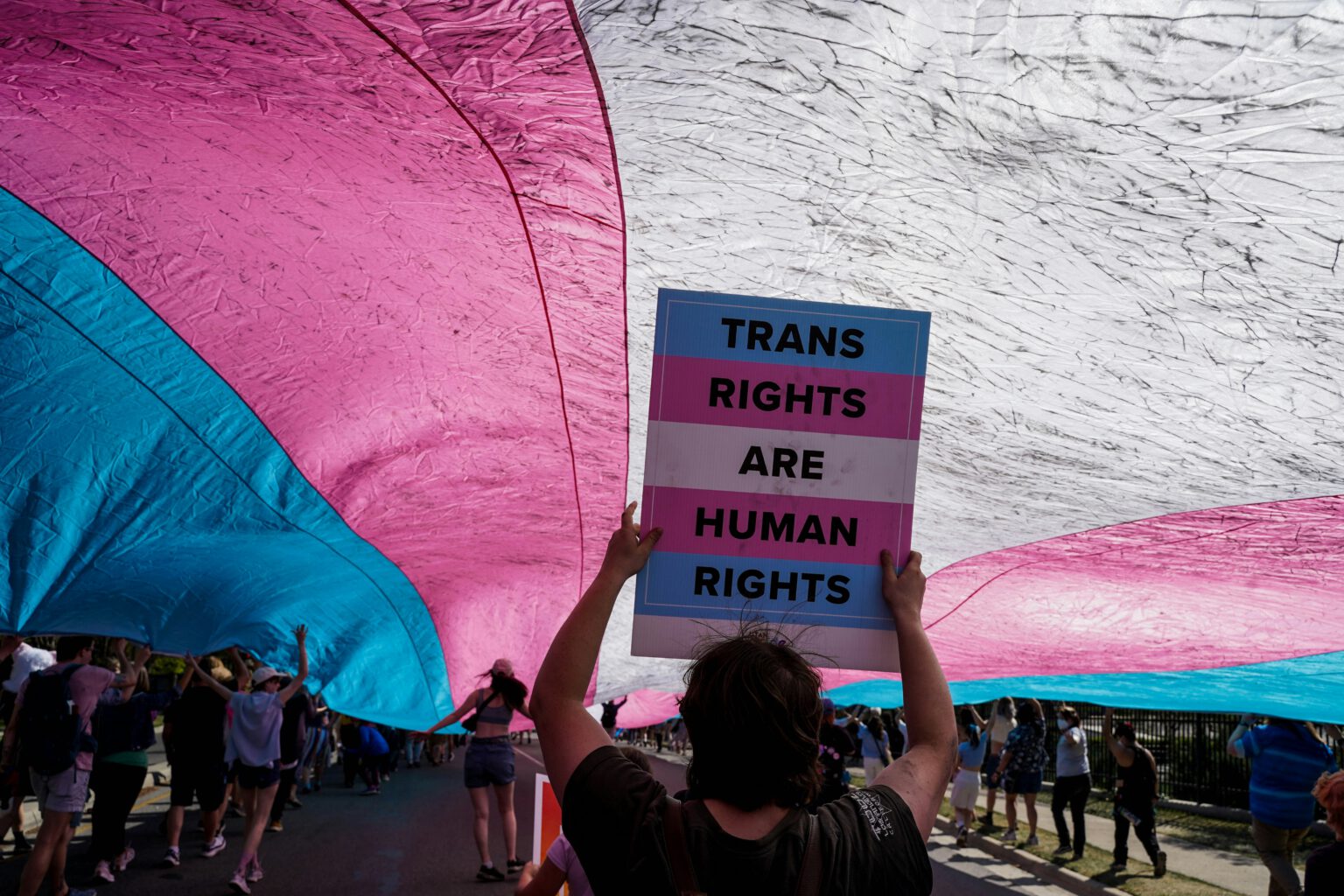
TGEU welcomes the decision of the Hungarian National Assembly on 13 October, 2026 to remove the anti-LGBTI content from the 2021 ‘child protection’ law. This is a necessary step to implement the Court of Justice of the EU (CJEU) judgment in Commission v Hungary (C-769/22).
In its April 2026 judgment, the CJEU found that the law, which stigmatised LGBTI people under the guise of child protection, breached EU law. It also rejected Hungary’s reliance on national identity to justify discriminatory measures.
Why this matters for trans people
The ruling matters for trans people across the EU, because it confirms that Member States cannot use ‘child protection’ or national identity as an excuse for excluding trans and other LGBTI people from public life and the rights EU law guarantees them. The CJEU has already held in Mirin (C-4/23) that Member States must recognise a legal gender change obtained in another Member State, so the Commission has clear legal grounds to act. The CJEU has also held in Deldits (C-247/23) that a Hungarian refusal to rectify a trans refugee’s gender marker breaches the GDPR, which further strengthens the case for Commission action.
The reality of LGBTI rights in Hungary
However, compliance with EU law and European human rights standards remains incomplete. Hungary’s Fundamental Law (its constitution) continues to enshrine a rigid gender binary just like in Slovakia, and Hungary still bans legal gender recognition. Since 2020, trans and intersex people in Hungary have been unable to have their gender legally recognised, with serious consequences for daily life, access to services and personal safety.
Our call to action
TGEU calls on the European Commission to pressure Hungary, as well as Slovakia, to amend their constitutions in order to remove the forced gender binary. Both countries must also establish quick, transparent and accessible legal gender recognition procedures that comply with EU and ECHR (European Court of Human Rights) standards.
Your support makes change possible
We work across Europe and Central Asia to advance trans rights, build strong communities, and drive change through research, advocacy, and community-building.
Your donation helps us continue this vital work — defending trans lives, amplifying trans voices, and advocating for justice every day.