Joint statement: We call on Türkiye to end the targeting of trans people and sex workers
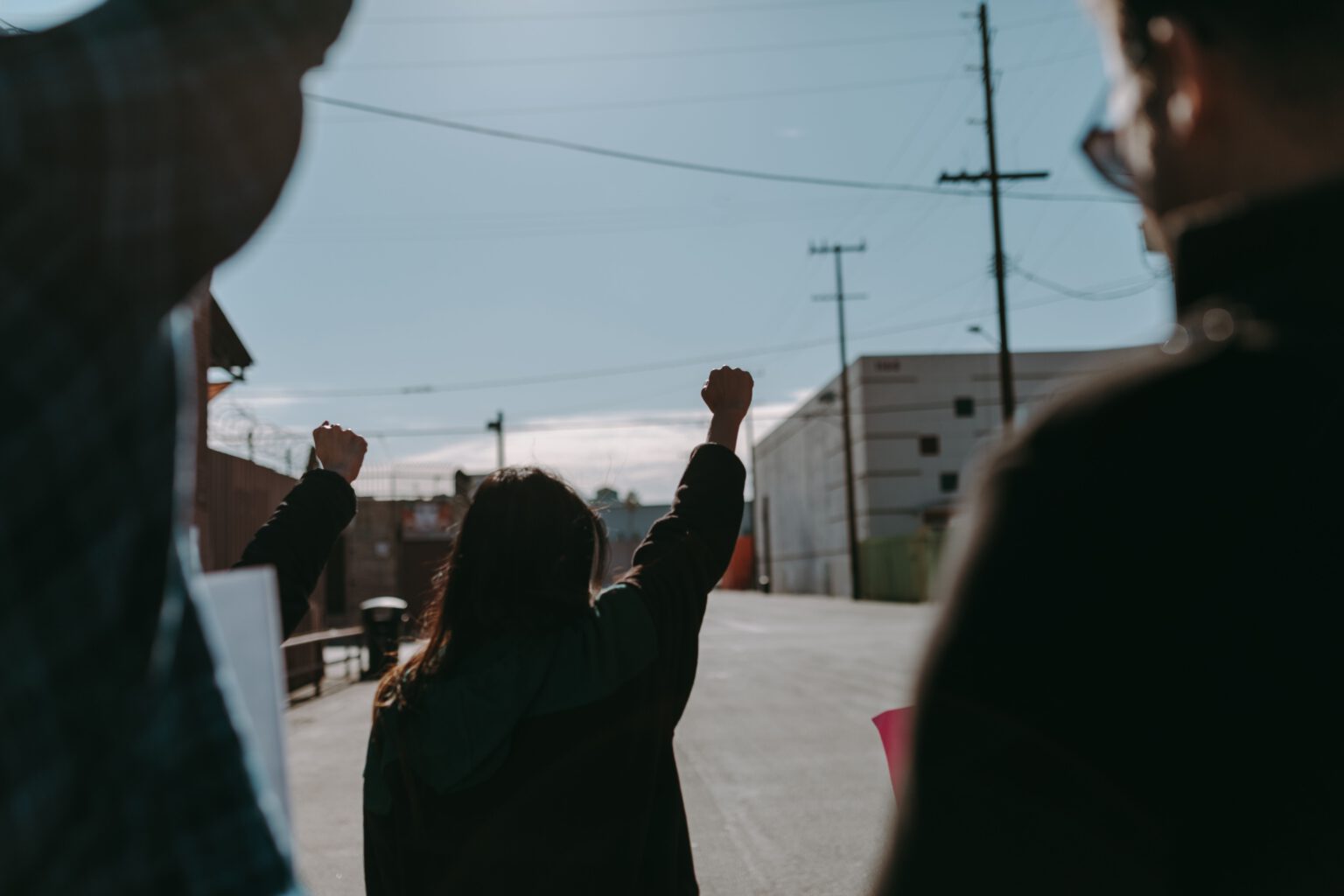
Trans women and trans sex workers are being arrested, prosecuted and held in degrading conditions in Türkiye. Since 12 September, the ‘My Family Is Safe’ operation has escalated into a sweeping crackdown on LGBTI communities and civil society, through raids, arrests and prolonged detention. As governments and international institutions turn their attention to Türkiye in the lead-up to COP31, we call on them to act: to press for the release of everyone arbitrarily detained, ensure accountability, and support the communities affected.
ESWA (European Sex Workers’ Rights Alliance), NSWP (Global Network of Sex Work Projects), SWAN (Sex Workers’ Rights Advocacy Network) and TGEU – Trans Europe and Central Asia strongly condemn the escalating crackdown on LGBTI human rights defenders and communities in Türkiye, including the raids, arrests and ongoing detention of activists and community members.
We are particularly alarmed by the targeted prosecution of trans women and trans sex workers, and reports of serious mistreatment and degrading conditions in custody. Together with the attention to the attacks against civil society organisations and their representatives, there is an urgent need for attention to the targeting of trans women and sex workers, whose experiences risk being overlooked in the international response.
We stand in solidarity with our community members and urgently call on the international community to maintain pressure to end the attacks and ensure that these human rights violations remain subject to international scrutiny and concrete action.
What is happening in Türkiye
Since September 12, the operation “My Family Is Safe” has instigated an escalating wave of attacks on civil society, targeting LGBTI organisations, human rights defenders, and journalists through coordinated raids, detentions, and arrests. In the latest wave of attacks on October 23, 45 people, including 12 trans women, were taken into custody. On 26 October, 19 people, including 10 trans women, were arrested in relation to allegations of prostitution. The Ankara Chief Public Prosecutor’s Office cited social media posts by people taken into custody as grounds for the arrests, claiming that the posts contained material that was “contrary to public morality, targeting families, (. . .) encouraging gender neutrality and disruptive to public order,” creating the perception that people could choose their gender. In other words, the identities and forms of expression of trans people were presented as grounds for their arrest and prosecution. Further, on 3 November, 22 more people, including trans women, were detained on allegations of “encouraging, facilitating or coercing prostitution” and “forming an organisation for the purpose of committing a crime”.
Reports of the treatment of trans women detained during the operation raise serious concerns about conditions and human rights violations in state custody. According to lawyers working with Ankara-based LGBTI+ rights organisation ÜniKuir, some trans women were not allowed access to toilets on their first day in custody and were forced to relieve themselves in food containers. People arrested during the raids also reported poor and overcrowded holding-cell conditions and inadequate food rations. These conditions are compounded by reported barriers to accessing sanitary facilities, timely legal support and necessary medical care, particularly affecting trans women. Such treatment threatens the health, safety and dignity of people deprived of their liberty and raises serious concerns regarding Türkiye’s obligations under international human rights law and standards, including the UN Standard Minimum Rules for the Treatment of Prisoners (Nelson Mandela Rules).
A long-standing history of discrimination against trans people
While the scope and aggression of this operation are unprecedented, the systemic targeting of trans people in Türkiye is not new. For years, Türkiye has undermined the rights of trans people in administrative actions restricting access to hormones and arrests of trans activists, alongside systemic discrimination in access to education, healthcare, housing, and employment.
The arrests since September 12 intensify this structural discrimination, exposing how authorities invoke “promotion of prostitution” and obscenity-related charges to track, prosecute and imprison trans women and sex workers. Combined with the prolonged detention of trans women and LGBTI activists, the use of these misdemeanour charges raises serious concerns that authorities are using and stretching different legal grounds to target trans women based solely on their identities.
The raids are systematically destabilising LGBTI civil society in Türkiye, restricting their ability to organise. As their staff, activists and volunteers are directly targeted, those who continue the vital work of providing aid, legal assistance, and monitoring the treatment of people in custody face severe safety risks. The Turkish authorities have also blocked the social media accounts of most LGBTI and human rights organisations, which further isolates affected communities and obstructs access to information and support when this is most urgently needed.
Our demands
Building on previous calls from Turkish and international civil society organisations, we urge sustained political attention to the attacks on LGBTI rights in Türkiye and call for practical action. We reaffirm the demands set out in previous statements and urgent appeals by Turkish and international civil society organisations.
We call on:
The United Nations Special Procedures, particularly the Special Rapporteur on the situation of human rights defenders (SR HRDs), the Independent Expert on protection against violence and discrimination based on sexual orientation and gender identity (IE SOGI), and the Special Rapporteur on the right to health
- Send an urgent communication to the Turkish authorities concerning the arrests, prolonged detention and reported mistreatment of trans women, sex workers and LGBTI human rights defenders.
- Seek clarification on the legal grounds for the arrests and detention, and demand information on measures taken to prevent further violations and investigate reported abuses.
- Publicly call for the immediate release of anyone arbitrarily detained, an end to discriminatory arrests and prosecutions, and effective safeguards against further arbitrary detention and ill-treatment.
The Council of Europe: including the Commissioner for Human Rights (CommHR) and the European Committee for the Prevention of Torture (CPT)
- Raise the crackdown and report abuses directly with the Turkish authorities and engage with affected organisations.
- Use relevant monitoring and country-engagement mechanisms to scrutinise detention conditions, including access to sanitation, food, medical care and legal assistance.
- Press for the implementation of CPT standards on non-discrimination, protection from ill-treatment, including the guidance note on transgender prisoners, and the rights of human rights defenders, with particular attention to access to sanitation, food, and medical care.
The European Parliament, the European Commission and the European External Action Service (EEAS)
- Maintain political and diplomatic pressure, including through follow-up to the European Parliament’s September debate
- Ensure that trans women, sex workers and their organisations are explicitly included in consultations and protection efforts.
- Strengthen emergency support for affected communities and organisations.
Diplomatic missions in Türkiye
- Maintain regular contact with affected LGBTI and sex worker-led organisations and provide emergency financial support to keep organisations working.
- Attend court hearings, raise individual cases with the local authorities and coordinate diplomatic interventions where human rights defenders or community members face immediate risks.
- Support emergency protection measures, including safe relocation where necessary, and facilitating access to relevant international protection mechanisms.
Donors and foundations
- Provide rapid, flexible funding for legal defence, emergency assistance, medical and psychosocial support.
- Sustain core funding so affected organisations can continue their work, including documenting abuses, supporting people arrested and providing services to communities affected by police operations.
- Prioritise direct funding for trans-led and sex worker-led organisations, ensuring that funding arrangements do not expose these groups or their members to additional risks.
International civil society networks
- Coordinate solidarity actions, joint advocacy and submissions to international human rights mechanisms.
- Support local organisations to document violations and bring affected communities’ evidence and demands to international attention.
- Amplify the priorities of affected communities and ensure that trans women and sex workers remain visible in international advocacy and monitoring.
Your support makes change possible
We work across Europe and Central Asia to advance trans rights, build strong communities, and drive change through research, advocacy, and community-building.
Your donation helps us continue this vital work — defending trans lives, amplifying trans voices, and advocating for justice every day.